
Meet the Founder
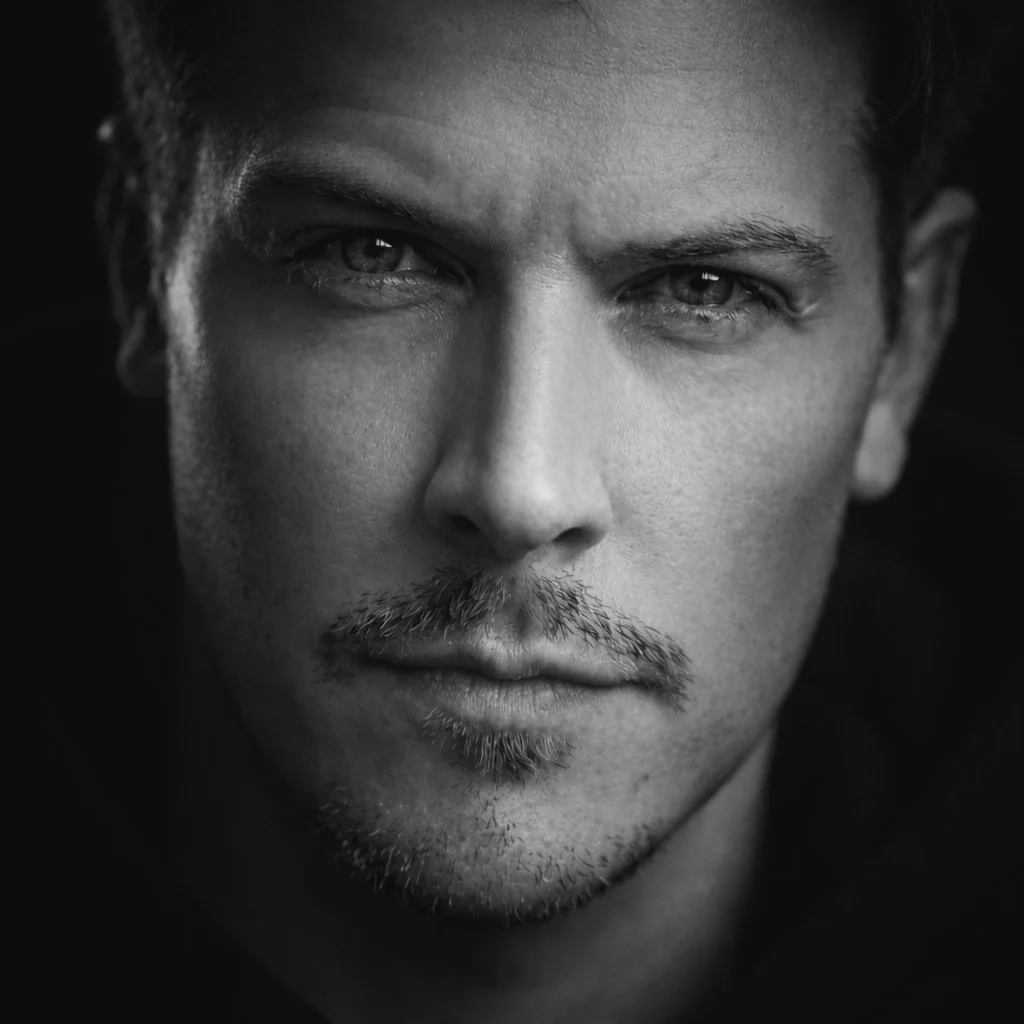
Sam Buck
FounderCoach, educator, life-long sportsman, and athlete development specialist.
Over 20 years working within youth and high-performance pathways, supporting long-term athlete development from foundation to international performance.
*Channel 4 and Nike partnership documentary I was involved in back in 2021, working with TuShea.
Background & Sporting Roots
Growing up, I played football, basketball, and golf recreationally alongside competing in gymnastics. Being exposed to multiple sports at a young age shaped my understanding of movement, coordination, adaptability, and the value of broad athletic development during formative years.
I started gymnastics at the age of four and went on to compete internationally for Great Britain. I attended Loughborough University on a sports scholarship for gymnastics, where I also obtained a BSc in Sport and Exercise Science. This period reinforced the importance of combining structured training with thoughtful decision-making and long-term planning.
Injury, Transition & Perspective
My gymnastics career came to an end due to multiple stress fractures in my back. Experiencing repeated injury phases as an athlete gave me first-hand insight into rehabilitation, patience, and the mental discipline required when progress is no longer immediate - lessons that have shaped both my coaching philosophy and my approach to athlete support.
Following my retirement from gymnastics, I remained deeply engaged in sport and competition. I took up kickboxing and competed for Loughborough University in tournaments, continuing to develop my understanding of physical preparation, resilience, and performance under pressure in a very different sporting context.
These experiences reinforced the value of transferable athletic qualities and structured training principles across sports - particularly during periods of migration and identity change as an athlete.
From there, my focus shifted fully toward Olympic Diving, where I transitioned into coaching and athlete development.
Coaching & Professional Practise
Over the past 20 years, I’ve worked with athletes across all stages of development, from early youth pathways through to junior and senior international medallists.
I’m currently Head Coach at Dive London Aquatics Club and have been a consistent member of both the Swim England and Aquatics GB coaching staff, operating within high-performance environments where standards, safety, and long-term progression matter.
Alongside my diving work, I hold coaching qualifications in gymnastics and trampolining, providing a rounded perspective on athletic development across different disciplines.
In addition to my coaching roles, I work as a tutor and assessor for diving coaching qualifications. Supporting the development of both coaches and athletes has reinforced a clear belief: effective development depends on structure, clarity, and accountability - not just talent or intensity.
Applying the Principles
During lockdown, I qualified as a personal trainer to formalise my ability to apply these coaching principles beyond traditional high-performance environments.
Over the last 18-month period, I have worked with an 18-year-old Para swimmer, supporting their physical preparation, training structure, and long-term development.
The process resulted in British records across two events and reinforced a core principle in my work: progress is built through consistent execution, clarity of purpose, and adherence to standards - not intensity alone.
Philosophy & Foundations
“Progress is built through consistent execution, not intensity alone.”
My thinking, both personally and professionally, is strongly influenced by Stoic philosophy.
Stoicism emphasises personal responsibility, discipline, and clarity of action, with a focus on directing effort toward what can be controlled. These principles align naturally with effective athlete development: showing up consistently, executing with intent, and taking ownership of daily training behaviours regardless of outcome.
Over time, this way of thinking has become embedded within my coaching and sports psychology approach. It informs how programmes are structured, how expectations are communicated, and how athletes are guided to respond to challenge, pressure, and setbacks.
Training is not about chasing motivation or reacting emotionally to results.
It is about committing to the process, respecting the work, and practising discipline daily.
Why The Inner Podium Exists
The Inner Podium was created from years spent working within youth development systems and seeing, first-hand, where athletes are best supported, and where they are often let down.
Too often, young athletes are exposed to rushed progressions and trend-driven training. Intensity is prioritised over intent. Motivation is relied upon instead of discipline. Short-term outcomes are chased before foundations are properly established.
The Inner Podium was built on a different standard. One that values structure over chaos, clarity over confusion, and long-term development over quick results. Influenced by Stoic thinking, it exists to help athletes learn how to train, how to think, and how to take responsibility for their own development.
This is not about doing more.
It’s about doing the right work, consistently, with purpose.
Development-First Approach
My work is grounded in youth athlete development, particularly during the formative years between 12 and 20, when habits, identity, and performance standards are established.
At this stage, training should prioritise movement quality, consistency, and decision-making before chasing numbers, outcomes, or short-term gains. Discipline and confidence are built through competence, not pressure, and progress is measured over time rather than from session to session.
While The Inner Podium is built on a foundation of youth development, the same principles apply to adult athletes who value structure, accountability, and long-term progression. The standard does not change, only the context.
Perspective Beyond Coaching
Alongside my professional work, I’m also a parent. I have a young teenage daughter who participates in multiple sports, which continues to shape my perspective on athlete development.
Seeing youth sport through both lenses, coach and parent, reinforces the responsibility that comes with working during formative years. Training should support confidence, resilience, and enjoyment, not undermine them. Progress should be earned, but never rushed, and development should always consider the athlete as a whole.
This perspective underpins the standards and decisions behind everything built at The Inner Podium.
Closing Statement
Performance is not built in moments of motivation. It is shaped through daily actions, repeated behaviours, and a commitment to doing the right work over time.
The Inner Podium exists to support that process with structure, clarity, and standards that endure.
Performance is not a moment.
It is a practice.